
Discover
Contact Our Skin Experts
Have a question or want to book an appointment? Contact our skin experts today.
It’s Collagen Month at HSC. Save $500 on our Microneedling Package. Learn more.
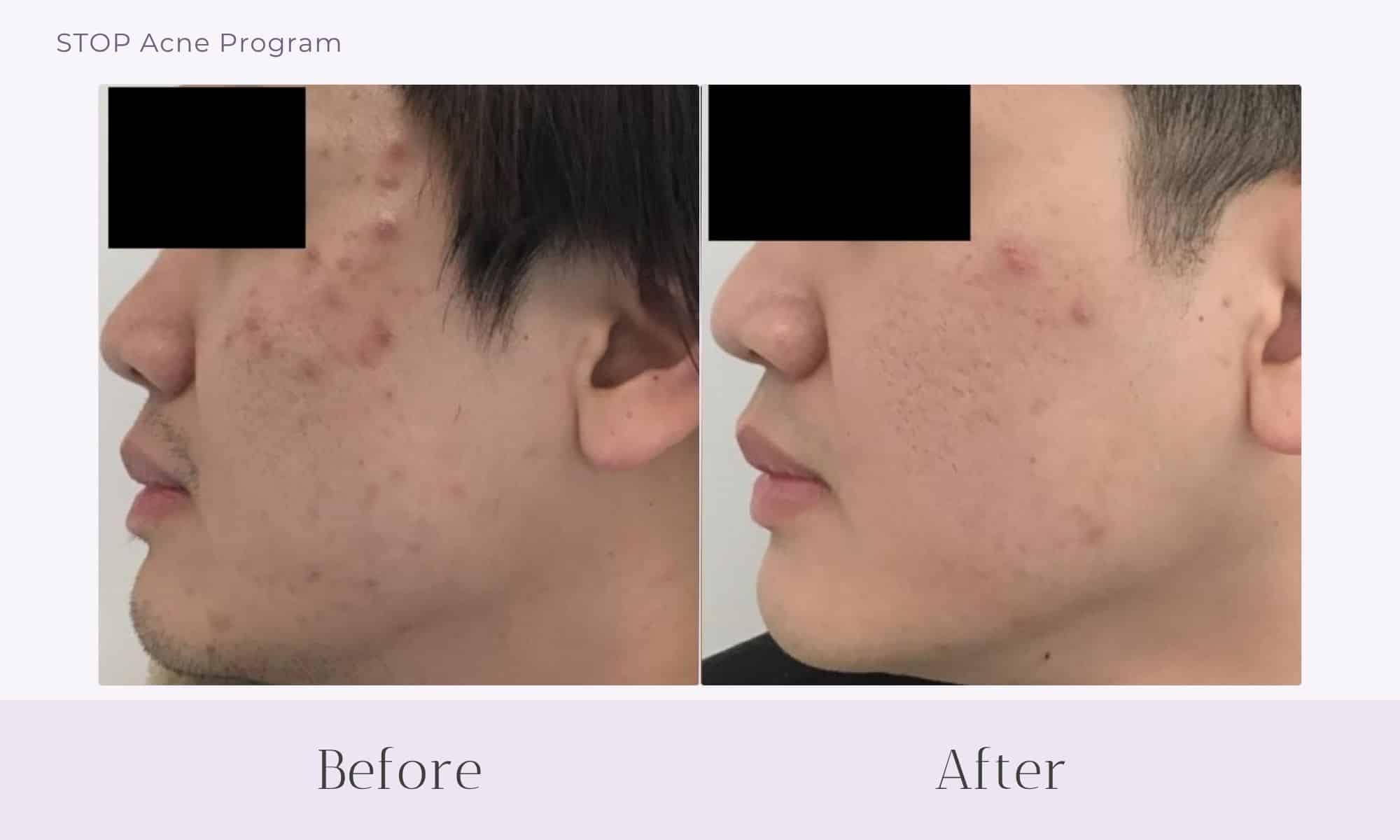
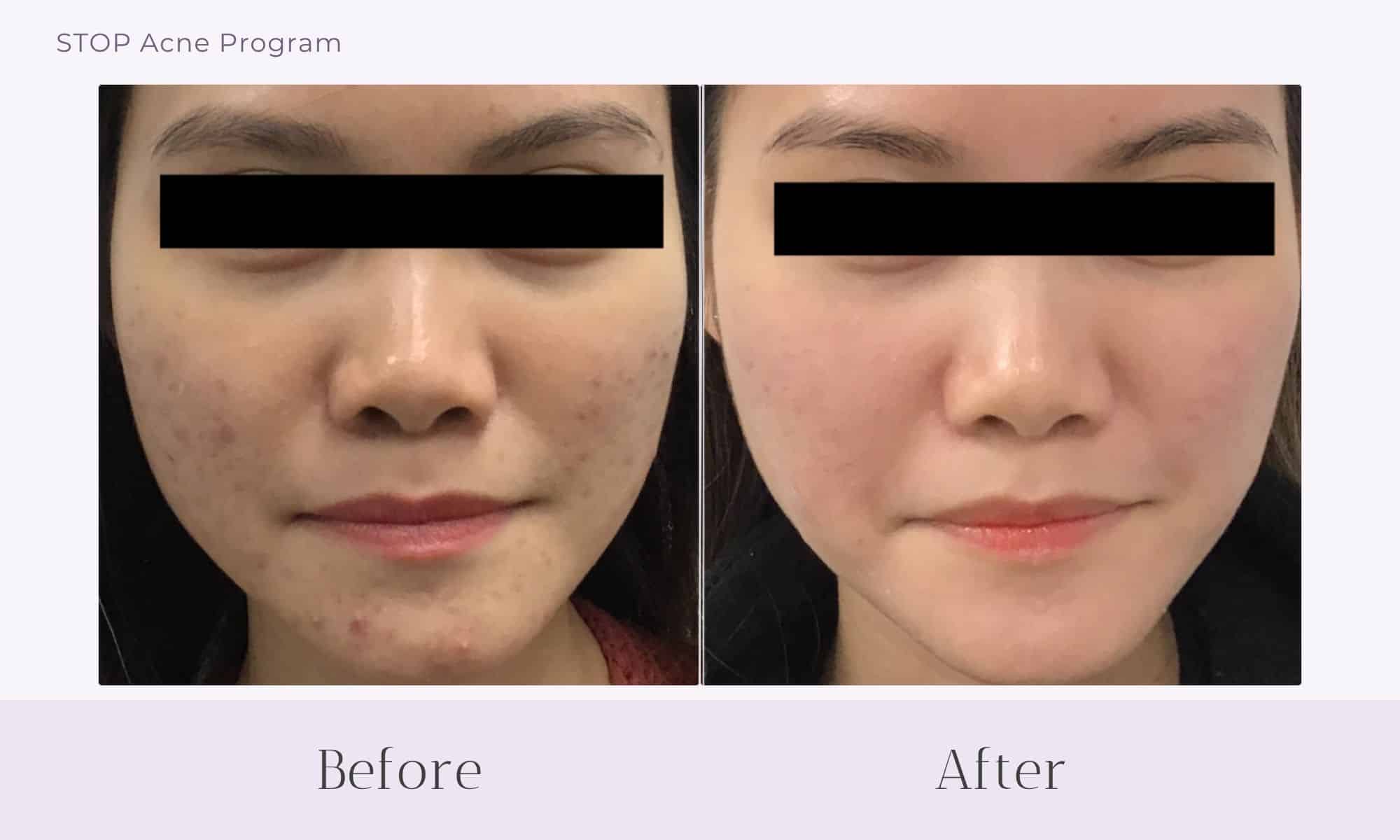
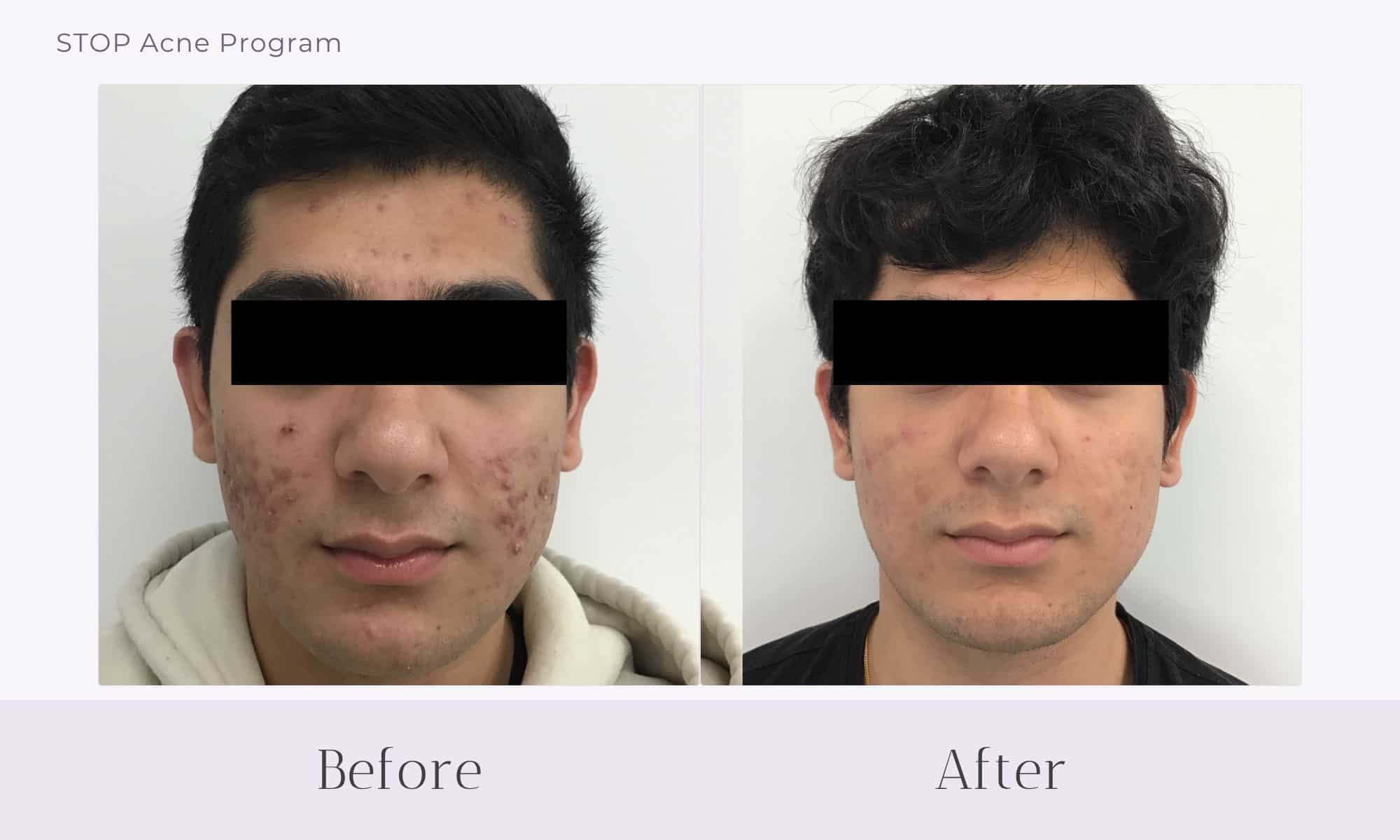
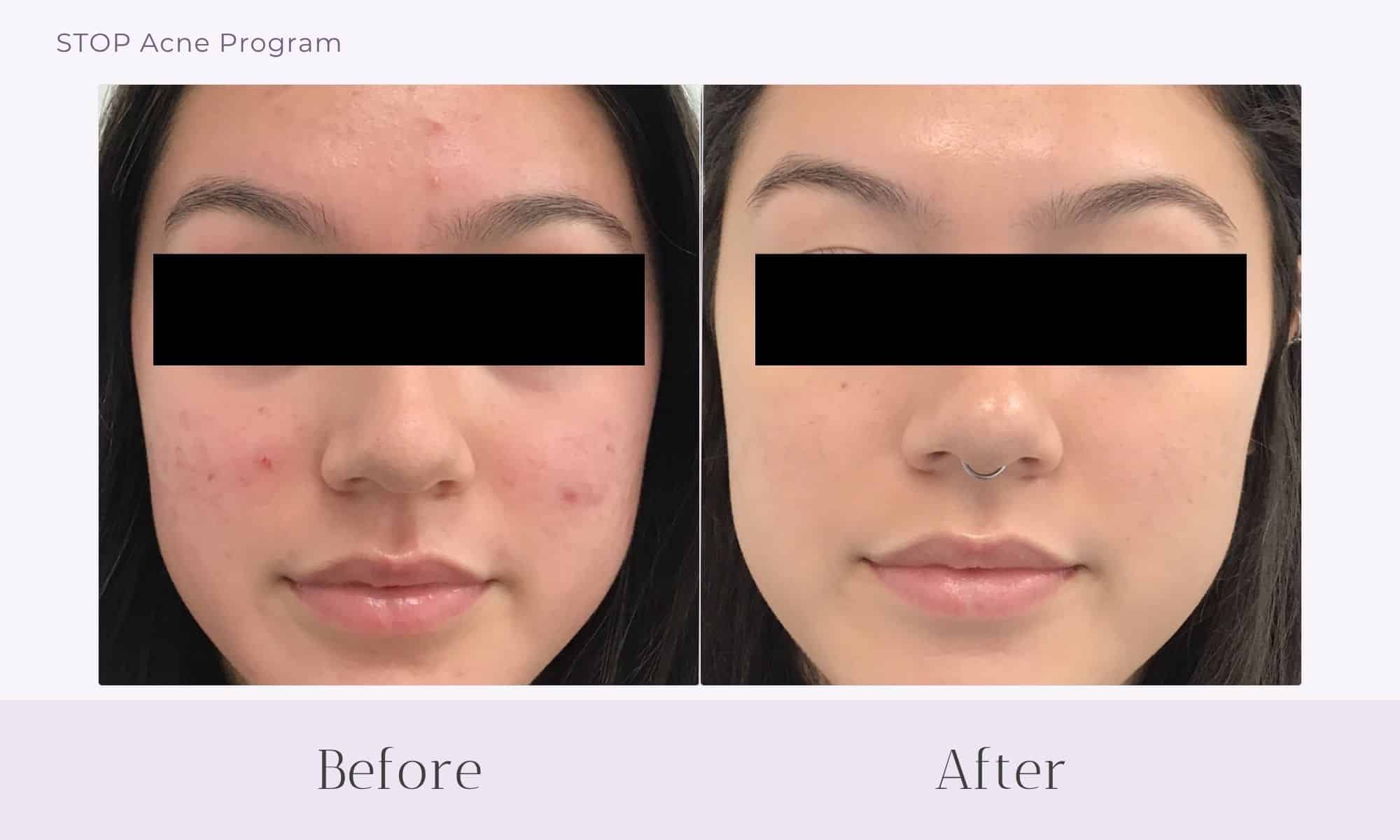
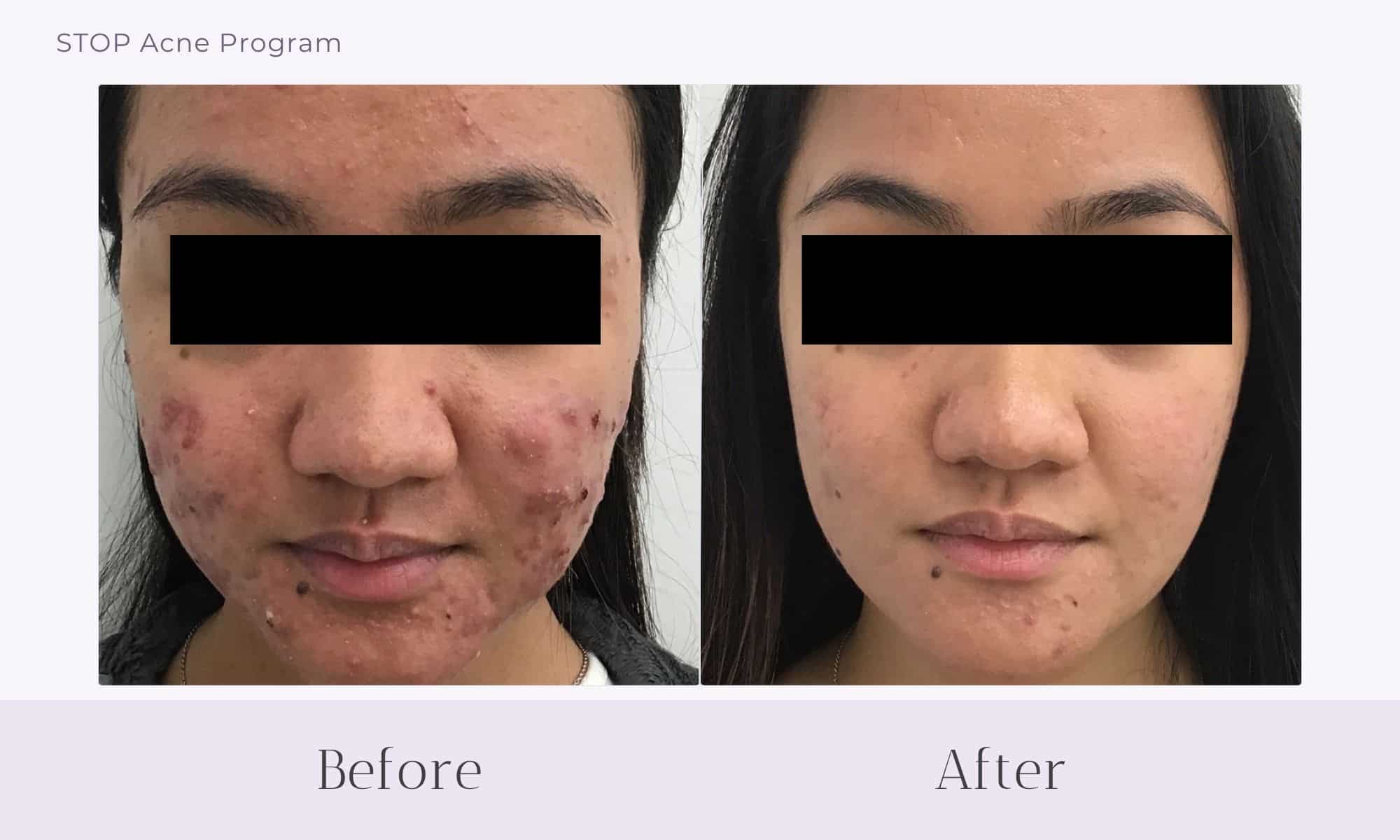
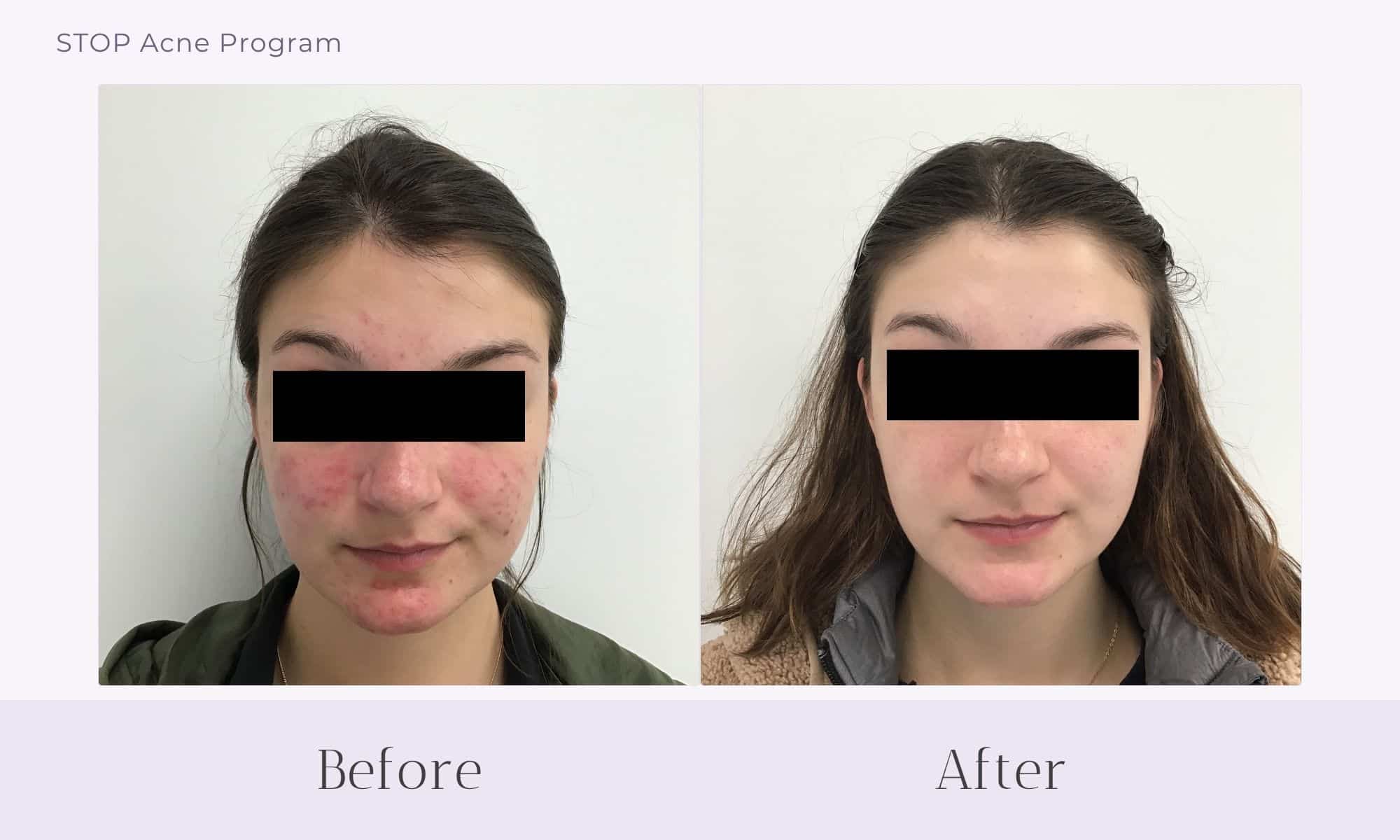
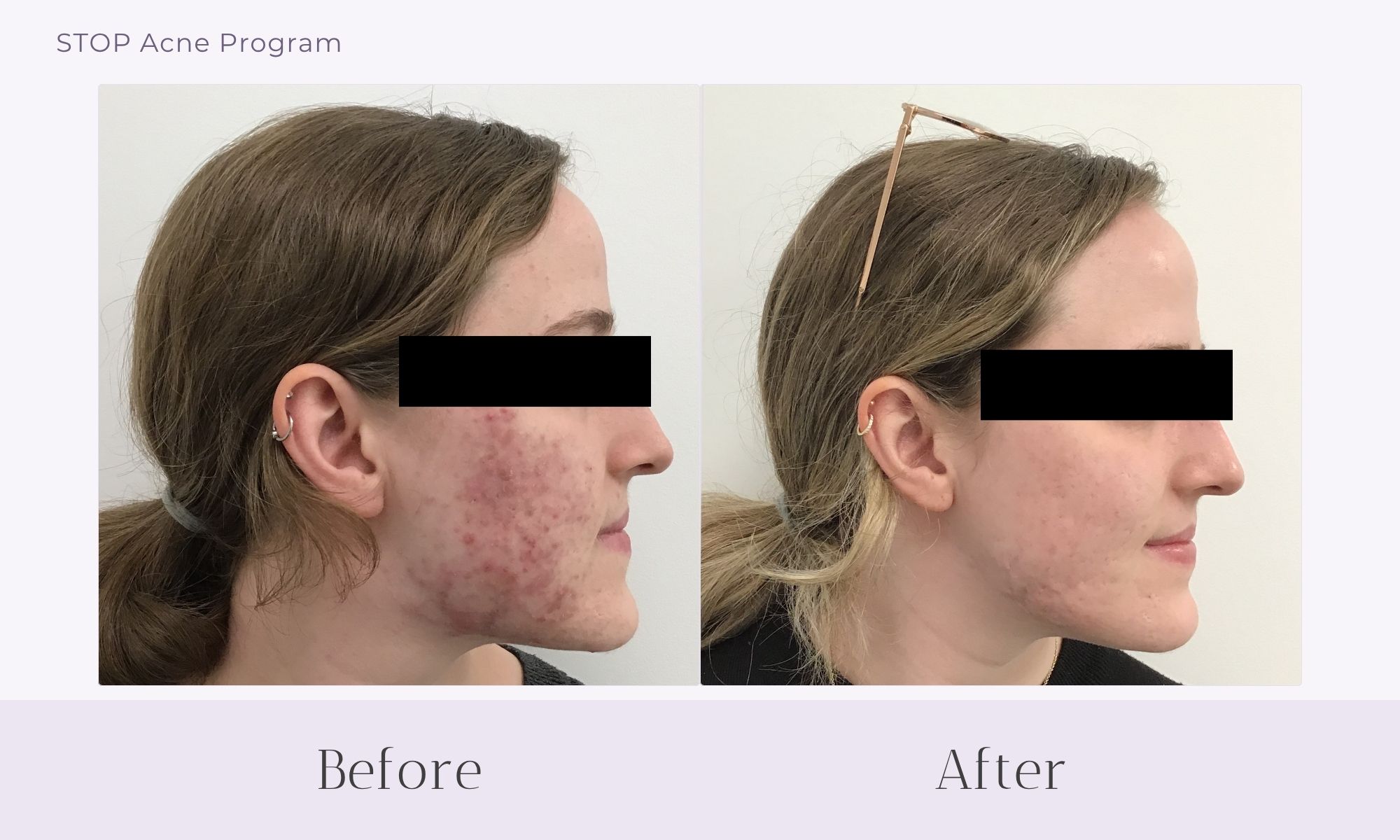
Are you frustrated by acne? Whether you suffer from mild, moderate or severe acne, at Healthy Skin Centre we can help you obtain clear, beautiful skin using our STOP Acne program. Acne affects men and women, teens and adults. Acne can affect confidence, comfort, and long-term skin health.
Whether you are dealing with teen acne, adult breakouts, or persistent hormonal acne, Healthy Skin Centre offers physician-directed treatment plans designed to control acne, prevent scarring, and restore healthy skin.
Book a consultation by contacting us at: 604.553.7546 (SKIN) or by booking your appointment online
Acne develops when pores become blocked with oil, dead skin cells, and inflammation. This can lead to blackheads, whiteheads, pimples, cysts, redness, and tenderness. Acne affects teenagers and adults of all genders. In many cases, breakouts can continue well beyond adolescence or begin for the first time in adulthood. Without proper treatment, acne may leave dark marks, uneven texture, or permanent scarring.
Acne is not a one-size-fits-all condition. Different types of acne lesions develop for different reasons and often require different treatment approaches. Understanding the type of acne you have can help determine the most effective treatment plan and improve your chances of achieving clear, healthy skin.
Whiteheads are small, flesh-colored or white bumps that form when pores become clogged with excess oil, dead skin cells, and bacteria. Unlike blackheads, the pore remains closed at the surface of the skin.
Appearance: Small white or skin-colored bumps that may feel slightly raised.
Severity: Mild acne.
Treatment: Whiteheads often respond well to medical-grade skincare products containing salicylic acid, retinoids, or other exfoliating ingredients that help keep pores clear. Regular professional treatments such as chemical peels may also improve congestion and prevent new whiteheads from forming.
Blackheads occur when a clogged pore remains open. The dark appearance is not dirt; it results from oxidation when the trapped material inside the pore is exposed to air.
Appearance: Small dark spots, commonly found on the nose, forehead, chin, and cheeks.
Severity: Mild acne.
Treatment: Blackheads can often be improved with salicylic acid, retinoids, professional extractions, and treatments designed to reduce oil buildup and improve skin cell turnover.
Papules develop when clogged pores become inflamed. These small, red bumps do not contain visible pus and can be tender to the touch.
Appearance: Red, inflamed bumps that may feel sore or sensitive.
Severity: Mild to moderate inflammatory acne.
Treatment: Papules often require treatments that target both inflammation and acne-causing bacteria. Prescription medications, medical-grade skincare, and certain laser or light-based therapies may be recommended.
Pustules are inflamed acne lesions that contain pus. They are commonly referred to as “pimples” and often develop from papules that have become more inflamed.
Appearance: Red bumps with a visible white or yellow center.
Severity: Moderate inflammatory acne.
Treatment: Pustules may respond to topical prescription medications, oral treatments, and professional acne therapies designed to reduce inflammation and bacterial growth. Picking or squeezing pustules can increase the risk of scarring and should be avoided.
Nodules are large, painful acne lesions that develop deep beneath the surface of the skin. Because the inflammation extends into deeper layers of the skin, nodules are more likely to cause permanent scarring.
Appearance: Firm, painful lumps beneath the skin without a visible head.
Severity: Severe acne.
Treatment: Nodular acne often requires medical intervention. Prescription medications and physician-directed treatment plans are typically necessary to control inflammation and prevent long-term skin damage.
Cystic acne is one of the most severe forms of acne. These lesions develop deep within the skin and are filled with inflammatory fluid. Cystic acne can be painful, persistent, and highly prone to scarring.
Appearance: Large, red, swollen, painful lesions beneath the skin’s surface.
Severity: Severe acne with a high risk of permanent scarring.
Treatment: Cystic acne usually requires comprehensive medical treatment under the supervision of a physician. Early intervention is important to minimize inflammation, reduce discomfort, and help prevent permanent acne scars.
The most effective acne treatment depends on the type and severity of acne present. While mild whiteheads and blackheads may improve with professional skincare and topical treatments, inflammatory acne such as papules, pustules, nodules, and cystic acne often requires a more comprehensive approach. During your consultation, our medical team will assess your skin, identify the underlying causes of your acne, and develop a personalized treatment plan designed to help you achieve clearer, healthier skin.
Acne is usually caused by multiple factors at once, which is why personalized treatment is often more successful than trial-and-error products.
Hormonal acne is one of the most common forms of acne seen in adults, particularly women. While acne is often associated with the teenage years, many people continue to experience breakouts well into their 20s, 30s, 40s, and beyond. Hormonal fluctuations can increase oil production in the skin, leading to clogged pores, inflammation, and persistent acne that may not respond to traditional over-the-counter treatments.
Hormonal acne occurs when changes in hormone levels stimulate the sebaceous (oil) glands to produce excess oil. This excess oil can mix with dead skin cells and bacteria, creating an environment where acne develops.
Hormonal acne can affect both men and women, but it is particularly common in women due to hormonal changes associated with menstruation, pregnancy, perimenopause, and certain medical conditions.
Hormonal acne often has a distinct pattern compared to other types of acne.
Common signs include:
Many patients notice that their acne appears in the same areas month after month, particularly along the lower face.
Acne along the jawline and chin is frequently associated with hormonal fluctuations. These breakouts often appear as deep, tender bumps that can take weeks to heal.
Because jawline acne tends to develop deeper within the skin, it can be more difficult to treat than surface-level blackheads or whiteheads. Without appropriate treatment, these lesions may increase the risk of post-inflammatory pigmentation and acne scarring.
Many women experience acne flare-ups during specific phases of their menstrual cycle. Hormonal shifts that occur in the days leading up to menstruation can trigger increased oil production and inflammation, resulting in new breakouts.
Patients often report:
Understanding this pattern can help guide treatment recommendations and long-term acne management.
Adult acne is becoming increasingly common. Many women who had clear skin during their teenage years develop acne later in life, while others continue to struggle with persistent breakouts from adolescence into adulthood.
Factors that may contribute to adult hormonal acne include:
Adult acne often requires a different treatment approach than teenage acne, making professional assessment important.
In some women, persistent or severe hormonal acne may be associated with a condition called Polycystic Ovary Syndrome. PCOS can affect hormone levels and may contribute to acne, excess facial hair growth, irregular menstrual cycles, and other symptoms.
While not every patient with hormonal acne has PCOS, individuals experiencing persistent acne along with other hormonal symptoms may benefit from further medical evaluation.
Yes. Hormonal acne can often be successfully managed with the right treatment plan. Because the underlying cause is frequently related to internal hormonal influences, treatment may involve more than topical skincare products alone.
Depending on the severity of the acne and the individual’s medical history, treatment options may include:
If you are experiencing recurring acne along the chin, jawline, cheeks, or neck, or if your breakouts are painful, cystic, or leaving scars, professional treatment may help prevent long-term skin damage.
Early intervention is particularly important for hormonal acne because deeper inflammatory lesions have a greater risk of causing permanent acne scars and post-inflammatory pigmentation. A physician can identify the factors contributing to your acne and develop a personalized treatment plan designed to improve both active breakouts and your long-term skin health.
For many people, the effects of acne continue long after active breakouts have resolved. Acne scars can affect skin texture, tone, and confidence, making early acne treatment and scar prevention an important part of any comprehensive acne management plan.
The good news is that many acne scars can be improved with professional treatments. The best approach depends on the type of scarring present, the severity of the scars, and your individual skin type.
Acne scars occur when inflammation damages the deeper layers of the skin. As the skin heals, the body produces collagen to repair the area. If too little or too much collagen is produced, visible scars can develop.
Acne scars are more likely to occur when:
Because scar formation begins during the healing process, treating acne early is one of the most effective ways to reduce the risk of permanent scarring.
Not all acne scars look the same. Identifying the type of scar is an important step in determining the most effective treatment plan.
Ice pick scars are narrow, deep scars that extend into the skin. They resemble small puncture marks and are among the most challenging acne scars to treat.
Appearance: Deep, narrow indentations that look like tiny holes in the skin.
Common Locations: Cheeks, forehead, and temples.
Treatment Considerations: Ice pick scars often require targeted treatments and may benefit from combination therapies to achieve optimal improvement.
Boxcar scars are wider depressions in the skin with clearly defined edges. They often develop after inflammatory acne lesions heal.
Appearance: Round or oval depressions with sharp, distinct borders.
Common Locations: Cheeks and temples.
Treatment Considerations: Boxcar scars may respond well to collagen-stimulating treatments designed to improve skin texture and smoothness.
Rolling scars create an uneven or wavy appearance across the skin’s surface. These scars form when fibrous bands beneath the skin pull the surface downward.
Appearance: Broad depressions that create a rolling or undulating skin texture.
Common Locations: Cheeks and lower face.
Treatment Considerations: Treatment often focuses on releasing underlying scar tissue while stimulating new collagen production.
Not every mark left behind by acne is a true scar. Post-inflammatory hyperpigmentation occurs when acne leaves behind brown, tan, or dark spots after the inflammation has resolved.
Appearance: Flat areas of discoloration that remain after a breakout heals.
Common in: All skin types, particularly individuals with medium to darker skin tones.
Treatment Considerations: Pigmentation often improves over time but may be accelerated with professional treatments and medical-grade skincare.
Some individuals develop persistent red or pink marks after acne lesions heal. This condition is known as post-inflammatory erythema.
Appearance: Flat red, pink, or purple marks that remain after acne has cleared.
Common in: Fairer skin tones.
Treatment Considerations: Vascular-focused treatments and proper skin care may help reduce persistent redness.
While no treatment can guarantee complete scar removal, significant improvement is often possible. Many patients experience smoother skin texture, improved skin tone, and a reduction in the visibility of acne scars through a customized treatment plan.
The earlier treatment begins, the better the potential outcomes. Newer scars are often more responsive to treatment than scars that have been present for many years.
A physician can recommend treatment options based on your specific scar type and skin condition. Common approaches may include:
Microneedling creates controlled micro-injuries in the skin, stimulating the body’s natural collagen production. This treatment can help improve the appearance of certain atrophic (depressed) acne scars and enhance overall skin texture.
Medical-grade chemical peels help exfoliate damaged skin cells, improve pigmentation concerns, and encourage skin renewal. They may be particularly beneficial for post-inflammatory hyperpigmentation and mild acne scarring.
Medical-grade topical treatments may help improve pigmentation, support collagen production, and enhance the results of professional procedures.
Because many patients have more than one type of acne scar, a combination of treatments often produces the best results. A personalized treatment plan can address texture, discoloration, and ongoing acne concerns simultaneously.
The most effective way to treat acne scars is to prevent them from developing in the first place. Consider the following recommendations:
Yes. The way you take care of your skin has a big effect on your acne. Here’s what Dr. Nasseri recommends for all patients who suffer from acne:
Most people with acne have tried multiple over the counter acne products without the results they were looking for. Book in to see one of our skin care experts who can make recommendations specifically for your skin and lifestyle.
If acne scars are affecting your confidence or if your acne is continuing to leave marks on your skin, a professional assessment can help identify the most effective treatment options. During your consultation, our medical professionals will evaluate your skin, determine the type of scarring present, and develop a personalized treatment plan aimed at improving skin texture, reducing discoloration, and helping you achieve healthier-looking skin.
At Healthy Skin Centre, we offer a variety of treatments to target acne, acne scars and post-inflammatory hyperpigmentation secondary to acne – these are patches of dark skin that remain for months or years even once the acne is gone.
The STOP acne program was created by the doctors at Healthy Skin Centre to treat acne using a combination of medical-grade skin care products, light based therapies and prescriptions depending on your skin and type of acne. There is no one medication or treatment that works best – everyone is unique and has different skin care needs. Also, what may work for you in the winter, may stop working in the summer – your skin care changes with the seasons and your life.
After your one on one consultation with one of our skin care consultants and Dr. Nasseri, we will recommend either one of the combination that best suits your skin. Our STOP acne program involves follow up every 2-3 months with one of our skin experts to ensure we keep one step ahead of your skin care needs and prevent acne and scarring before it occurs.
Most patients who come to see us have already spent a fortune on internet and drug store products, spa services and prescriptions that either didn’t suit them or failed to clear up their skin.
The STOP acne program was designed by doctors to help you meet your unique skin care needs. If you follow our team’s direction your skin will improve and you will be happy with your investment.
First we will ask you to invest time in caring for your skin, about 15 minutes a day. You will see your skin start to improve within 6 weeks.
You should expect to invest approximately $300-500 for your initial skin care products and one light based therapy depending on your needs. Your products should last 3-6 months if used as directed and then can be replenished as needed. Ongoing use of effective medical grade acne skin care products costs no more than the drug store products you may have been using without satisfactory results.
We ask you to see us every 3 months while your skin is improving so we can document your progress and advise you on how to adjust your skin care products and prescriptions.
The cost of prescription products varies from $20-200 and your pharmacist will advise you of the cost, which may be covered by extended health care plans. If you require medical grade facials acne, peels or microneedling the cost varies per treatment. Ask us how to save on your treatments with our bundled packages. The cost of not treating your acne successfully is a lifetime of scarred skin. The cost of clear, healthy skin is priceless.
Professional skincare can help unclog pores, regulate oil, reduce inflammation, and maintain results.
Topical or oral medications may be recommended depending on the severity and type of acne.
Chemical Peels Target congestion, surface oil, post-acne marks, and uneven texture.
Microneedling helps improve acne scarring, texture irregularities, and post-inflammatory pigmentation.
Certain patients may benefit from IPL or advanced therapies for redness and inflammation.
During your initial Consultation we assess your skin, acne history, lifestyle, triggers, and previous treatments.
Your treatment program may include skincare, medications, in-clinic treatments, or a combination approach.
Acne treatment evolves over time. Regular follow-up allows us to adjust your plan as your skin improves.
Many patients begin noticing improvement within several weeks, with continued progress over time.
Home care matters, but persistent acne often requires a medical treatment plan for best results.
Yes. Adult acne is extremely common, especially hormonal acne affecting the jawline and lower face.
Improvement usually takes time. Most patients see progress over weeks to months depending on severity.
It can. Early treatment helps reduce the risk of permanent scarring.
Some patients notice food triggers. This varies from person to person.
Some options are available, but treatment must be carefully selected for safety.
Hormonal acne can often be effectively managed and significantly improved, but there is not always a permanent cure. Because hormonal fluctuations can continue throughout life, some individuals may experience recurring breakouts. A personalized treatment plan can help control acne, reduce inflammation, and minimize the risk of scarring.
Acne on the chin and jawline is commonly associated with hormonal fluctuations. Changes in hormone levels can increase oil production and lead to clogged pores and inflammation. Other contributing factors may include stress, certain medications, skincare products, and genetics. A physician can help determine the underlying cause and recommend appropriate treatment options.
Genetics can play a significant role in the development of acne. If one or both of your parents experienced acne, you may be more likely to develop it as well. Genetics can influence factors such as oil production, skin sensitivity, inflammation, and the tendency to develop acne scars.
Stress does not directly cause acne, but it can contribute to acne flare-ups. Increased stress levels may trigger hormonal changes that stimulate oil production and worsen existing acne. Managing stress through healthy lifestyle habits may help support clearer skin as part of an overall treatment plan.
Yes. Acne can return after treatment, particularly if the underlying causes such as hormones, genetics, or lifestyle factors remain present. Many patients benefit from a maintenance skincare routine or ongoing treatment plan to help keep breakouts under control and prevent future flare-ups.
Popping pimples is generally not recommended. Squeezing or picking at acne lesions can increase inflammation, spread bacteria, delay healing, and increase the risk of permanent scarring or pigmentation changes. Professional treatment and proper skincare are safer and more effective options.
Some sunscreens can clog pores and contribute to breakouts, particularly products that are heavy or greasy. Choosing a non-comedogenic sunscreen that is specifically formulated for acne-prone skin can help protect your skin without increasing the risk of acne. Daily sun protection is important, especially when using acne treatments that may increase sun sensitivity.
Research suggests that certain foods may contribute to acne in some individuals. Potential triggers include high-glycemic foods such as sugary snacks and refined carbohydrates, as well as dairy products for some people. However, dietary triggers vary from person to person, and no single food causes acne in everyone.
Cystic acne is a severe form of acne that develops deep beneath the skin’s surface. It often appears as large, painful, inflamed lesions and carries a higher risk of permanent scarring. Early treatment by a physician is important to help control inflammation and reduce the likelihood of long-term skin damage.
You should consider seeing a physician if your acne is persistent, painful, leaving scars, affecting your confidence, or not responding to over-the-counter treatments. Early treatment can often improve outcomes, reduce the risk of scarring, and help identify the most effective treatment options for your specific type of acne.
Healthy Skin Centre proudly helps patients from New Westminster, Burnaby, Coquitlam, Port Moody, Surrey, and Vancouver achieve clearer, healthier skin through personalized acne care.
This page was medically reviewed by Dr. Lili Nasseri, board-certified Physician and Medical Director of Healthy Skin Centre.
Dr. Nasseri has extensive experience diagnosing and treating acne, acne scarring, hormonal acne, and other medical skin conditions for patients throughout New Westminster and the Lower Mainland.
If acne is affecting your confidence or leaving marks behind, professional treatment can help. Book your consultation today.
Love the personalized service! Everyone genuinely cares about your concerns no matter how small. I just go for acne care and they’re the best! Got rid of my stubborn adult acne without taking any pills or oral chemicals
I had the pleasure of visiting Healthy Skin Centre and met with Dr. Nasseri and Dal. Very knowledgeable and they took their time to educate me and make good recommendations on what I needed to do to clear my acne and treat my fine lines and wrinkles with Botox and filler. Safe and beautiful environment. I would recommend Healthy Skin Centre and look forward to my next visit.
It was one of the best decisions I've ever made to come to HSC. I had sudden adult acne for 18 months straight, which was painful and ruining the texture of my skin. I felt like my skin was out of control and I felt so helpless. After following Dr. Lili Nasseri's skincare plan, I saw improvements within the first month. It's almost been a year, and I feel like I've finally regained control over my skin again. I cannot thank the HSC team enough. It's such a wonderful thing that you guys do, by helping patients regain their confidence and health. I respect that very much.
At my visits, I've seen Dr. L Nasseri and Dal, and they are both friendly, respectful, and professional. Truly the best!
I had a very nice experience visiting Healthy Skin Center in New Westminster. I saw a big difference on my face after following the routine and using the products Dal Badesha suggested for my acne skin.
I had acne and ance scars on my face from past 7 to 8 years, I found HSC on google and decided to go here. I am glad that I did. From the very first appointment I started to see the difference in my skin. Today after almost 6 months of treatment, my skin is really clear. Overall it has been a wonderful experience. Everyone at HSC is great, but I would especially like to thank Dal for all her help, support and guidance. You are super awesome Dal. Keep going.
I have been dealing with acne for more than 15 years now. I have tried everything I can to prevent acne. My family doctor told me that I might have to deal with it for the rest of my life. I was so heartbroken I almost gave up. One day I decided to see a dermatologist, and that's when I found Dr. Nasseri’s clinic. I made an appointment with the client coordinator Dal Badesha. Since I met her, my skin has changed drastically. She put together a simple skincare regime for me, according to my skin. She is so supportive and actually cares about her clients. I have a long way to go, but I’m confident that I'll have clear skin one day.
Healthy Skin Clinic is a great place to go if you have any skin problems.
Have a question or want to book an appointment? Contact our skin experts today.